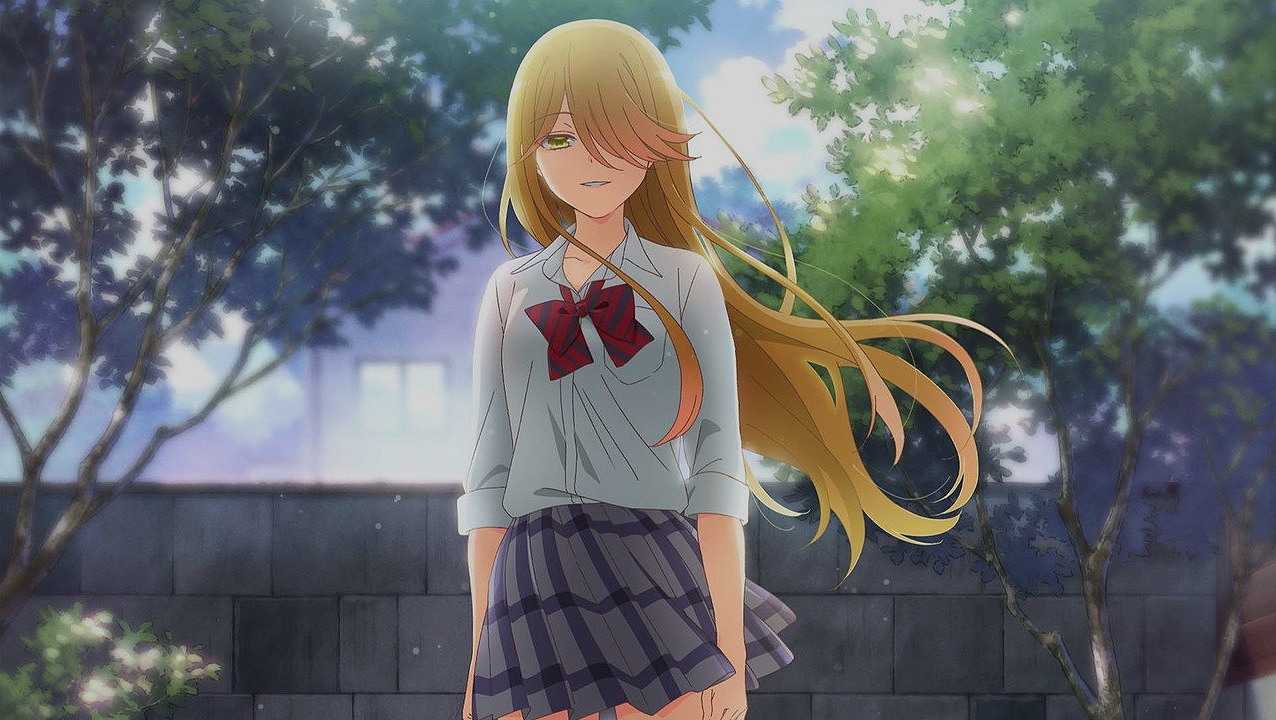

In a world full of romantic anime, 'When the XX of Watari-kun Reaches the Breaking Point' (渡くんの××が崩壊寸前) is a work that dares to address the complex and often overlooked relationship of 'siscon' (brother obsessed with sister) with delicacy and intrigue. This 2025 series not only tells the story of Naoto and his sister but also explores the minds of characters facing change when a first love reappears.
Story Summary (No Spoilers)
The story follows Watari Naoto, a high school student living happily with his sister until one day, Tachibana Satsuki, his first love who left, transfers back to the same school. Her return shakes the sibling relationship, while Naoto grapples with complex feelings between his bond with his sister and memories of Satsuki. The series unfolds through seemingly simple daily events, but is filled with diverse emotions from inner conflict and jealousy to character growth.
Despite the dramatic title, the content includes both comedic and heartwarming moments. Importantly, the series does not judge its characters but allows viewers to understand each one's motivations. The story progresses slowly but not boringly, with natural plot development and resolution.
Performance and Characters
One of the series' strengths is the excellent voice acting by the lead cast. Yurie Igoma as Yukari brings warmth and tenderness, while Shuichiro Umeda convincingly portrays Naoto's confusion, especially in scenes where he must choose between his love for his sister and Satsuki. Megu Umezawa as Makina does well in expressing jealousy and complex love. Every character has depth, not just supporting roles, but with their own backgrounds and reasons, allowing viewers to understand and sympathize even with those who seem to hinder the protagonist's happiness.
What stands out is the development of the sibling relationship, not presented in black and white but in shades of gray filled with love, care, and fear of loss, reflecting real-life relationships well.
Direction, Visuals, and Music
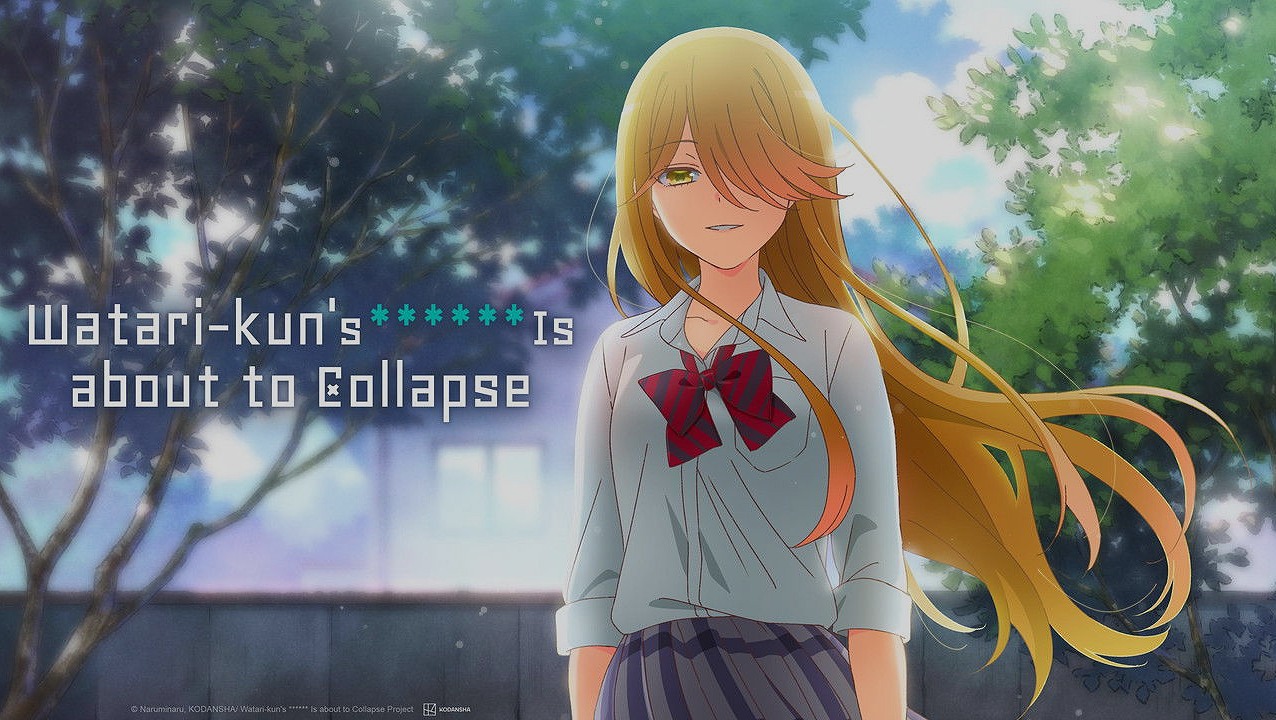
Visually, the anime uses warm tones that feel like flipping through a photo album of memories. Character designs are cute and unique, with subtle facial expressions conveying emotions clearly. Key scenes are meticulously framed, using camera angles and lighting to emphasize character emotions. The soundtrack, especially the opening and ending themes, perfectly matches the story's atmosphere, enhancing the emotional intensity of each scene.
The director controls the narrative pace well, not rushing, giving viewers time to absorb the characters' feelings, especially in scenes where they confront their own truths.
Editorial Analysis
From the editorial perspective, 'When the XX of Watari-kun Reaches the Breaking Point' is not just a typical siscon anime but an exploration of complex family relationships. The series asks viewers: 'What kind of love is right?' and 'Where is the line between sibling love and romantic love?' Through characters struggling with their feelings, the series doesn't provide fixed answers but invites viewers to think along.
Additionally, it weaves in themes of growth and letting go, universal themes accessible to everyone. Although some parts may seem overly dramatic, that's what makes the story engaging.
Verdict
For those who enjoy slice-of-life anime focusing on emotions and relationships, 'When the XX of Watari-kun Reaches the Breaking Point' is another work not to be missed. Although the siscon theme may not suit everyone, the subtle storytelling and realistic character development make this series valuable and worth watching.
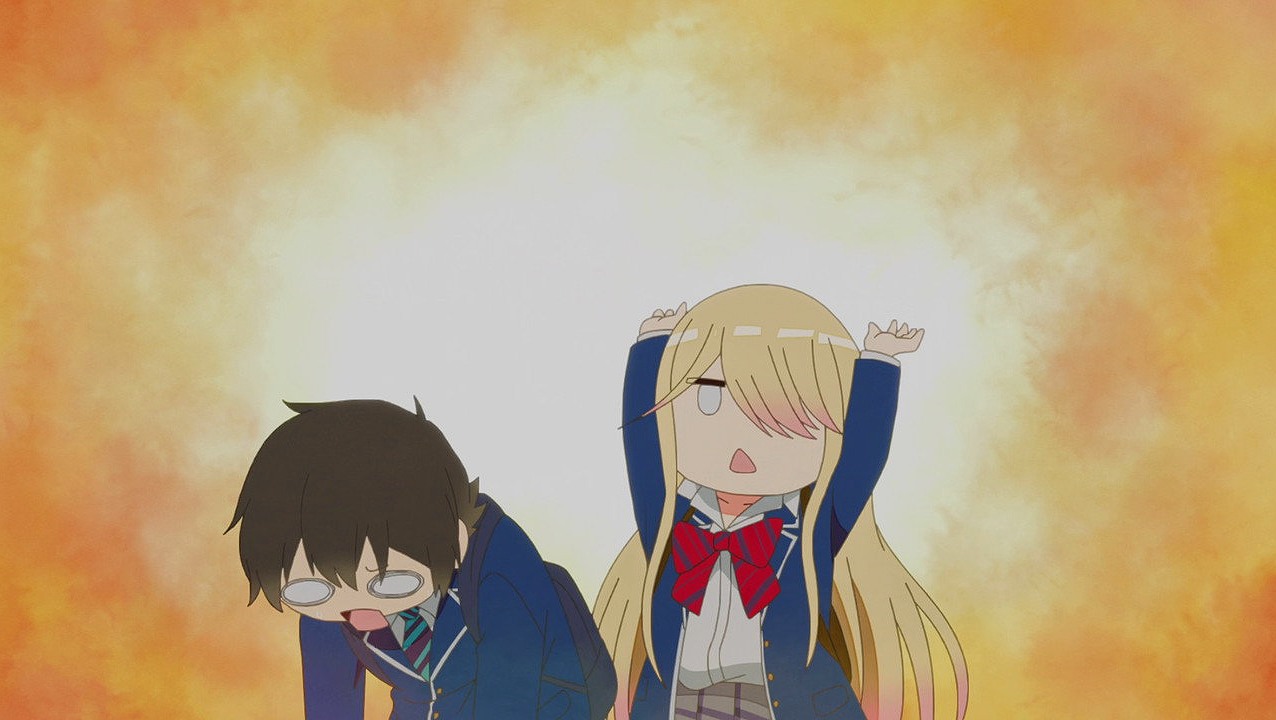
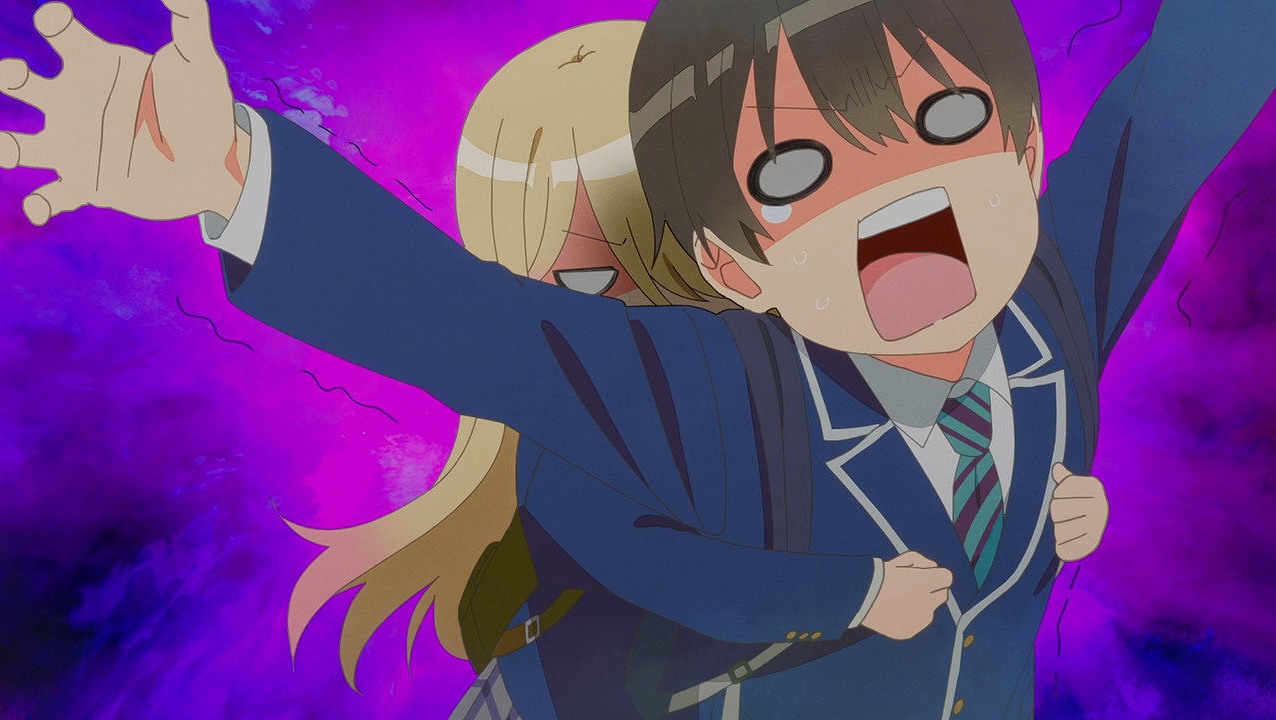
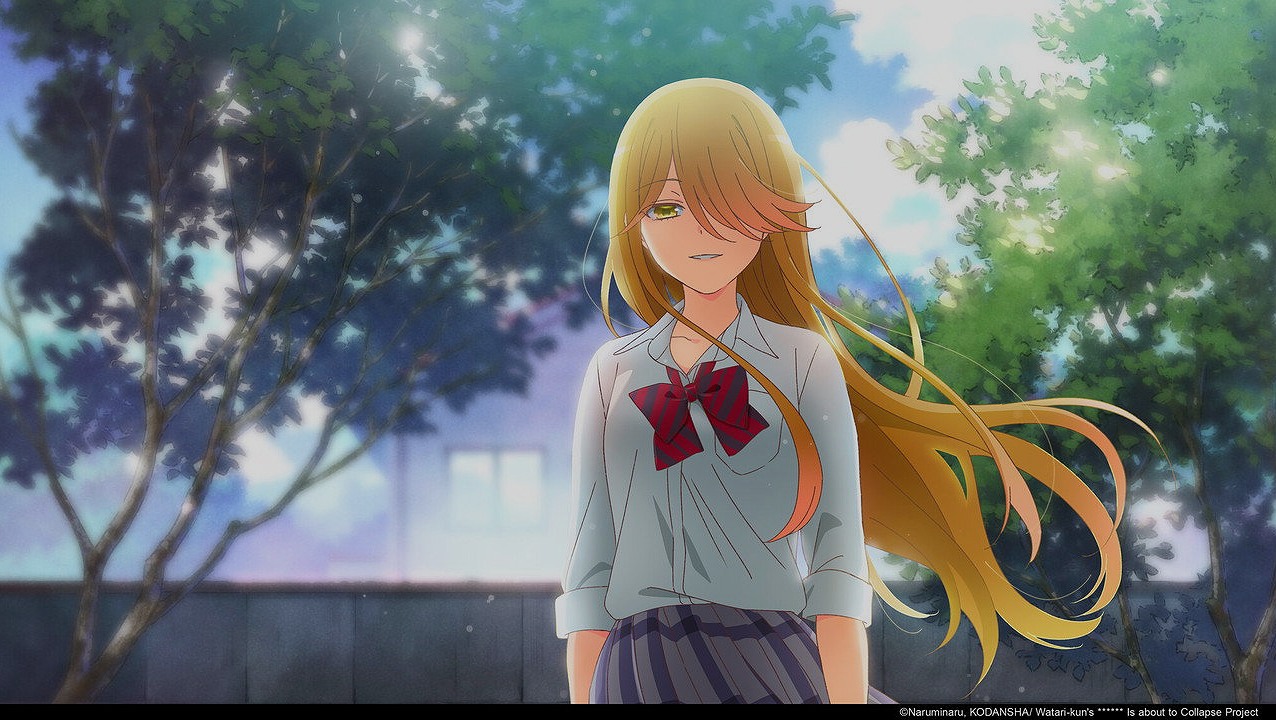
Screenshots
👍 Pros
- +High-quality voice acting that fits the characters
- +Subtle and complex story that doesn't judge characters
- +Visuals and music that enhance the emotions well
👎 Cons
- −Slow pacing in some episodes may feel drawn out for some viewers
- −Siscon theme may not appeal to everyone, especially those uncomfortable with such relationships
Top Cast





FAQ
The series has 26 episodes in one season.
It is adapted from the manga of the same name by Akito Aichi.
Suitable for teenagers and above due to complex relationship content and emotions.